Therapies
EMDR Therapy in Laguna Beach
Third Street Counseling provides EMDR therapy in Laguna Beach and by telehealth across California, with two EMDR clinicians: Michele Hall-Preston, LMFT, our practice director, and David Lindquist, LMFT, who was trained in EMDR by its developer, Dr. Francine Shapiro. EMDR does not require retelling your story in detail. Start with a free consult.
- Quick facts
- Who it is for
- Adults working through trauma, distressing memories, and difficult life events
- Session length
- In person or by telehealth
- Formats offered
- In person in Laguna Beach and telehealth across California
- How to begin
- Free consult to see whether EMDR fits
What Is EMDR?
What is EMDR?
EMDR is a structured therapy that helps the brain process distressing memories. It does not require talking through the events in detail.
EMDR, or Eye Movement Desensitization and Reprocessing, is a structured therapy developed by Dr. Francine Shapiro in the late 1980s. It helps the brain work through distressing memories that have not settled on their own. You focus on a specific memory internally while following a set of bilateral movements, typically side-to-side eye movements guided by your therapist.
The process moves through phases, from preparation and resourcing to processing and closing. You do not need to describe the memory in detail. Your therapist asks you to notice what comes up, whether that is an image, a feeling, a thought or a body sensation, and the brain does the work of processing. The memory gradually loses its charge and becomes something that happened to you rather than something that is still happening.
EMDR is one approach to working with trauma and distressing memories. It is not the only one. For some people, a steady therapeutic relationship and talk therapy are the right fit. The free consult is the place to talk through which approach suits you. See our trauma therapy page for more on both approaches.
Who You Would See
Who would I work with?
Two EMDR clinicians with different and complementary backgrounds. You will be matched with the one whose experience fits what you bring.
 LMFT · Founder & Director
Michele Hall-Preston, LMFT
Michele is the founder and director of Third Street Counseling. She is a licensed marriage and family therapist who works with adults, couples, and families. Her EMDR training and practice focus on trauma, anxiety, and life transitions.
EMDRIA Certified Therapist
MEET MICHELE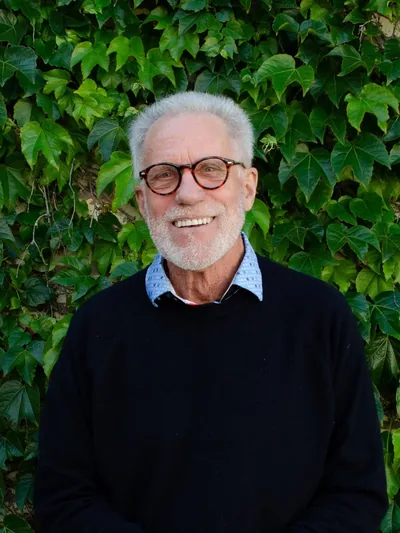 LMFT · Co-Founder
David Lindquist, LMFT
David co-founded the practice with Michele Hall-Preston in 2020. He was trained in EMDR by its developer, Dr. Francine Shapiro, and has used EMDR with over two hundred cases of post-traumatic stress.
MEET DAVIDWhat a Session Involves
What does an EMDR session involve?
EMDR moves through phases. Your therapist explains each step before it happens, and no session ends mid-way through intense material.
An EMDR session focuses on a specific memory or experience while you follow bilateral movements, typically side-to-side eye movements guided by your therapist. You do not need to describe the memory in detail. You notice what comes up internally, whether that is an image, a feeling, a thought or a body sensation, and the brain processes the material.
The preparation phase comes first. Before any processing begins, your therapist helps you build internal resources: ways to calm your nervous system, feel safe in your body, and ground yourself if the work gets intense. This phase is not rushed. It ensures you have the tools you need before approaching difficult material.
During the processing phase, you focus on a specific memory while following the bilateral movements. Your therapist asks what you notice, but you do not narrate the event. The memory gradually loses its charge.
After processing, your therapist helps you close the session in a way that leaves you feeling stable and grounded. You will not leave a session in the middle of intense material. The closing phase is deliberate and consistent.
For more on what a first session looks like generally, see our insights page on your first therapy session in Laguna Beach.
Common Questions
Common questions about EMDR
Answers to the questions people ask most before reaching out.
Does EMDR really work without talking about the trauma?
EMDR is designed to help the brain process distressing memories without requiring you to describe them in detail. You focus on a memory internally while following bilateral movements. Your therapist asks what you notice, but you do not need to narrate the event. Many people find this aspect of EMDR makes the work more approachable.
How many EMDR sessions will I need?
It depends on the number and complexity of the memories you are working on. Single-incident memories can sometimes be processed in fewer sessions, while complex or long-running experiences may take longer. The preparation phase also varies by person. Your therapist will discuss what to expect after the first few sessions.
Can EMDR be done by telehealth?
Yes. EMDR can be delivered by telehealth. You follow the bilateral movements on screen, and the process works the same way as in person. You will need a private space and a device with a camera. You can read more on our telehealth therapy insights page.
Is EMDR the only way to work through trauma?
No. EMDR is one structured approach, and it is not the only one. For some people, a steady therapeutic relationship and talk therapy are the right fit. The free consult is the place to talk through which approach suits you. Our trauma therapy page has more on both.
Next Steps
Ready to explore EMDR?
Start with a free consult. We will talk through what is going on and help you decide whether EMDR or another approach fits.
Free, no obligation. No pressure, no sales pitch.